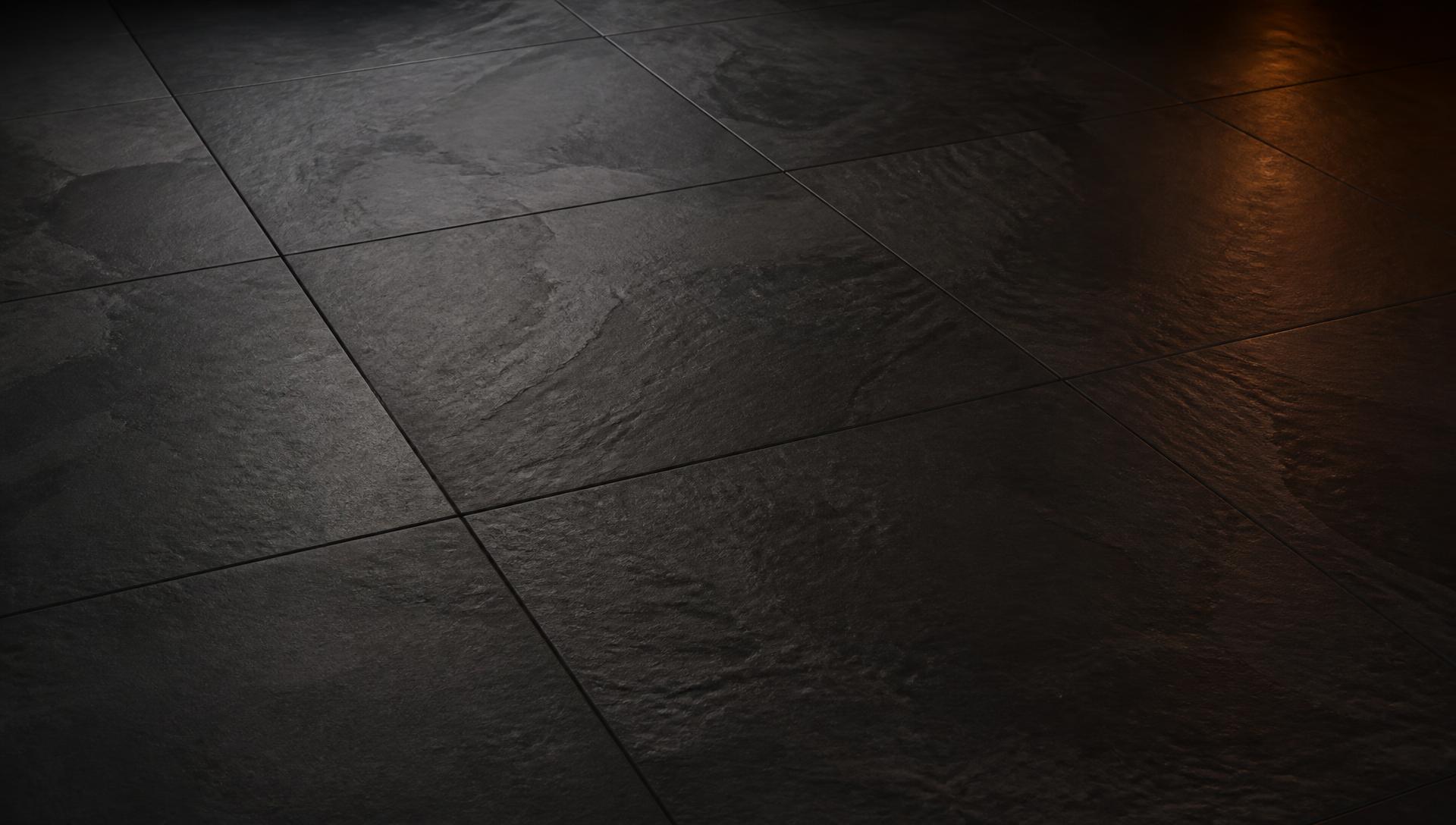
Dark slate porcelain floor tiles laid in a grid

Free · no sign-up · instant

Floor Tile Calculator

Enter your room and tile sizes to get the exact number of tiles and boxes to buy, plus adhesive bags, grout weight and a full material cost estimate — in metres, feet, centimetres or millimetres.

Project mode
Unit?
Tile layout?
Rooms & areas?15.12 m² total
15.12 m²
Tile size?
Tile unit
Waste allowance?
02 Box & packaging›
03 Adhesive›

Adhesive needs vary with tile size, substrate condition, trowel size and installation method. Treat this as a guide only.

04 Grout›
05 Cost & currency›
Ad space — leaderboard

Curated picks

Recommended products

View all →

01How the calculator works

  1. STEP 1

    Measure the area

    Length × width for each room, or add an L-shaped second leg. Wall mode subtracts doors and windows.

  2. STEP 2

    Divide by tile size

    Room area ÷ one tile's area gives the raw tile count before any cuts are considered.

  3. STEP 3

    Add waste for cuts

    10% for straight and brick bond, 15% diagonal, 20% herringbone. Override it any time.

  4. STEP 4

    Round up to boxes

    Tiles are sold by the box, so the count rounds up and shows the spare coverage you'll have left.

02Tile buying guide

Choosing a tile size

Large 60 × 60 cm and 60 × 120 cm tiles make small rooms look bigger and mean fewer grout lines to clean, but they need a flatter substrate. Small formats and mosaics follow uneven floors better and are safer underfoot in wet areas.

Layout patterns and waste

Every angled cut creates offcuts you can't reuse. Straight and brick-bond layouts waste the least material; diagonal adds roughly 15% and herringbone up to 20%. Long, narrow rooms and lots of doorways push waste higher still.

Adhesive, grout and joints

Use 2–3 mm joints for rectified porcelain and 3–5 mm for handmade or outdoor tiles. Thicker tiles and wider joints both increase grout use, and large-format tiles need a deeper adhesive bed, so buy one spare bag of each.

Common tile sizes and tiles needed per square metre
Tile sizeArea per tileTiles per m²Typical box
30 × 30 cm0.09 m²11.111 tiles / 1.00 m²
40 × 40 cm0.16 m²6.36 tiles / 0.96 m²
30 × 60 cm0.18 m²5.68 tiles / 1.44 m²
60 × 60 cm0.36 m²2.84 tiles / 1.44 m²
60 × 120 cm0.72 m²1.42 tiles / 1.44 m²

03What you'll need on site

Tile adhesive

Flexible C2 cement adhesive for porcelain and large formats.

Grout & spacers

Matching grout plus 2–3 mm spacers or a levelling system.

Cutting tools

Manual tile cutter for straights, wet saw or grinder for notches.

Finishing trims

Edge trims, silicone for corners, and a sealer for natural stone.

Ad space — in-content

04Frequently asked questions

How many tiles do I need for a room?›

Divide the room area by the area of one tile, then add a waste allowance for cuts. For a 4.2 × 3.6 m room (15.12 m²) with 60 × 60 cm tiles (0.36 m²) that is 42 tiles, or 47 tiles with a 10% waste allowance.

How much waste should I add for tiles?›

Add 10% for a straight or brick-bond layout, 15% for diagonal, and 20% for herringbone or rooms with many alcoves and angles. Keeping spare tiles from the same batch also protects you against future repairs.

How much tile adhesive do I need per square metre?›

Most cement-based adhesives cover about 4 m² per 20 kg bag at a 6 mm notched-trowel bed. Large-format tiles or uneven floors need a thicker bed, so coverage can drop to 2.5–3 m² per bag.

How is grout quantity calculated?›

Grout in kg per m² = ((tile length + tile width) ÷ (tile length × tile width)) × joint width × tile thickness × 1.8, with all tile dimensions in millimetres. Wider joints and thicker tiles both increase grout use.

How many tiles come in a box?›

It depends on tile size: 60 × 60 cm tiles usually come 4 per box (1.44 m²), 30 × 60 cm tiles 6–8 per box, and small 20 × 20 cm tiles up to 25 per box. Check the label and enter it in the box section for an exact box count.

Does the calculator work for wall tiles too?›

Yes. Switch the mode to Wall or Floor + Wall, enter wall height and width, and subtract door and window openings so you only pay for the area you actually tile.